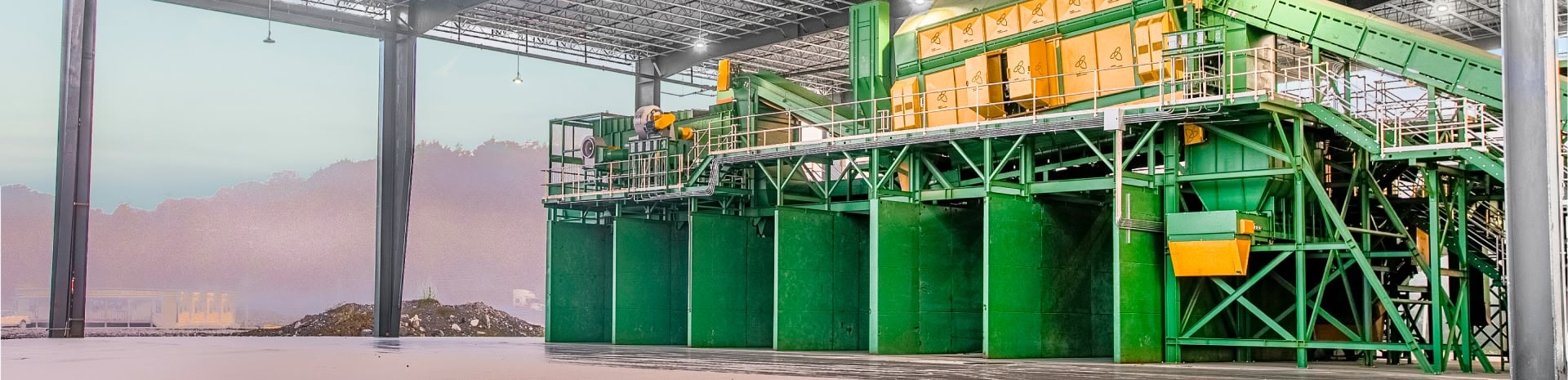
We’re Reimagining a Circular Economy
Our circularity goal is to increase recovery of materials by 60% to 25 million tons per year by 2030, including an interim milestone of a 25% increase by 2025.
We’ve increased material recovery 9% since 2021, but we did not achieve our ambitious 2025 milestone target. Our strategic investments in recycling automation and infrastructure have resulted in increased recovery, but we have ground to make up in other recovery streams.
Our Impact:
Looking Ahead:
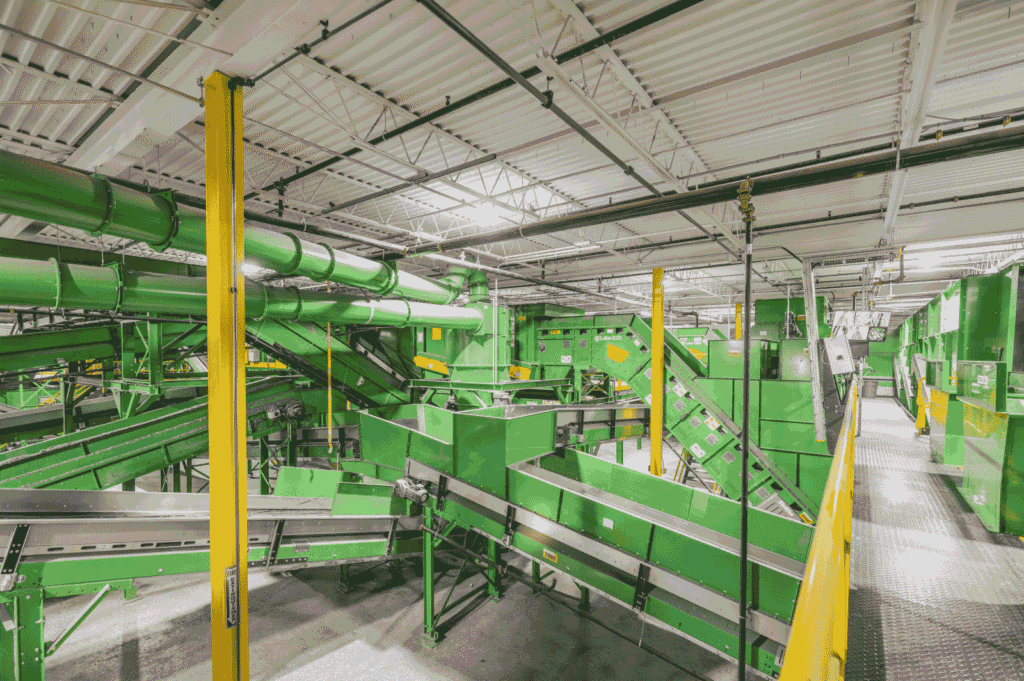
WM plans to open or upgrade five additional recycling facilities in 2026 and 2027.
Reimagining a Circular Economy
As North America’s largest recycler, WM plays a key role in the circular economy, collecting and sorting recyclables to help give them a second life. We work to support the full recycling value chain — from educating households on how to recycle correctly, to partnering with manufacturers to develop end markets for recovered materials — because a functioning recycling system requires participation from all stakeholders.
Driving Value Through Sustainability
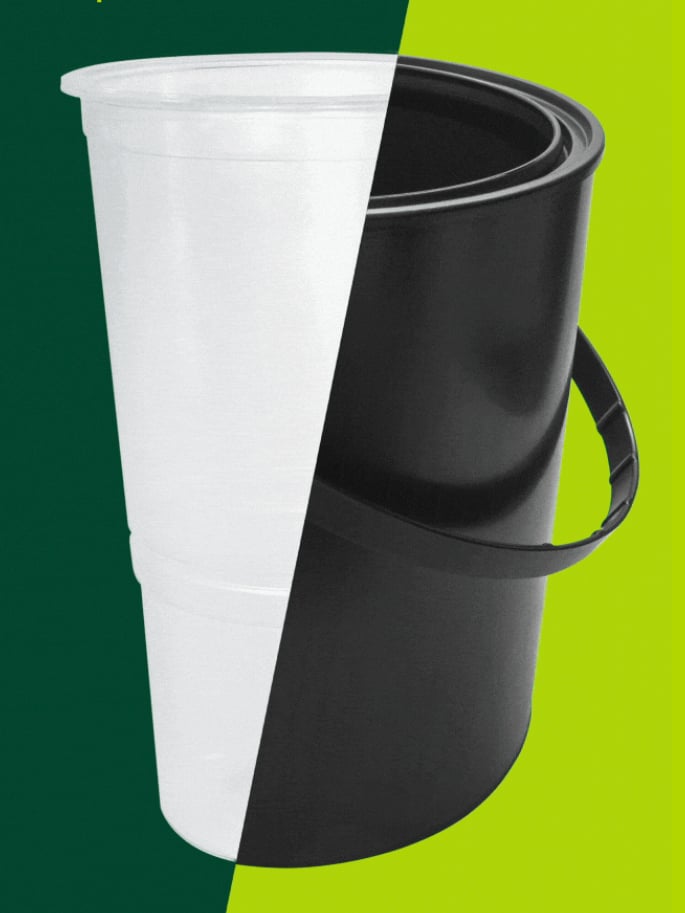
Pioneering Beverage Cup Recycling
Through collaboration with industry leaders, including Starbucks, The Recycling Partnership, How2Recycle®, NextGen Consortium managed by Closed Loop Partners’ Center for the Circular Economy and municipalities nationwide, we are increasing recycling accessibility, standardizing guidelines and promoting recycling of paper and polypropylene plastic cups.
Polypropylene cups may now carry the “Widely Recyclable” label from How2Recycle®, meaning more than 60% of U.S. households can recycle these cups through their curbside pickup programs.
WM accepts these materials at our single-stream recycling facilities, bales the cups – along with other commodities of the same grade – and sells them to end markets that can remanufacture them into new products like plastic paint cans.
Next
Recycling – Positioned For The Future Of Demand And Regulation
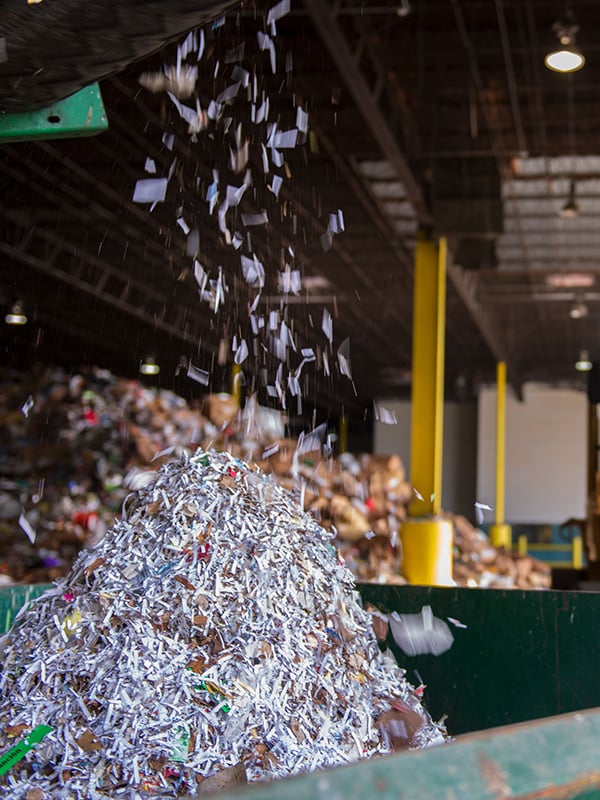
Positioned For The Future Of Demand And Regulation
As extended producer responsibility (EPR) regulations reshape the landscape in certain parts of North America, WM continues to invest in infrastructure to support the needs of our customers and communities.
When Oregon’s Recycling Modernization Act took effect, requiring the use of responsible end markets for all material shipped from Oregon facilities, we were already executing on plans to invest $47 million in a state-of-the-art facility in Portland to help meet this growing need.
The facility, which opened in 2025, is helping the greater Portland area evolve its recycling practices while adding green collar jobs.
Next
Organics – Recovering Organic Materials
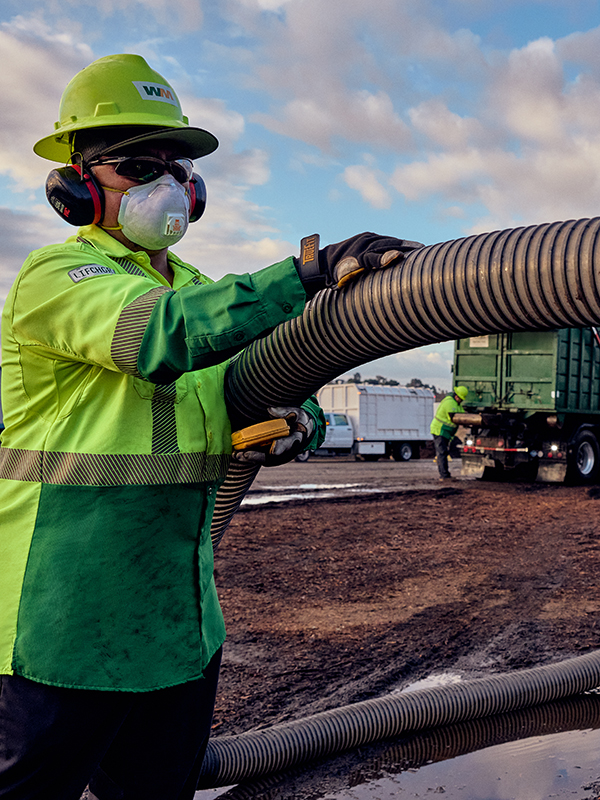
Recovering Organic Materials
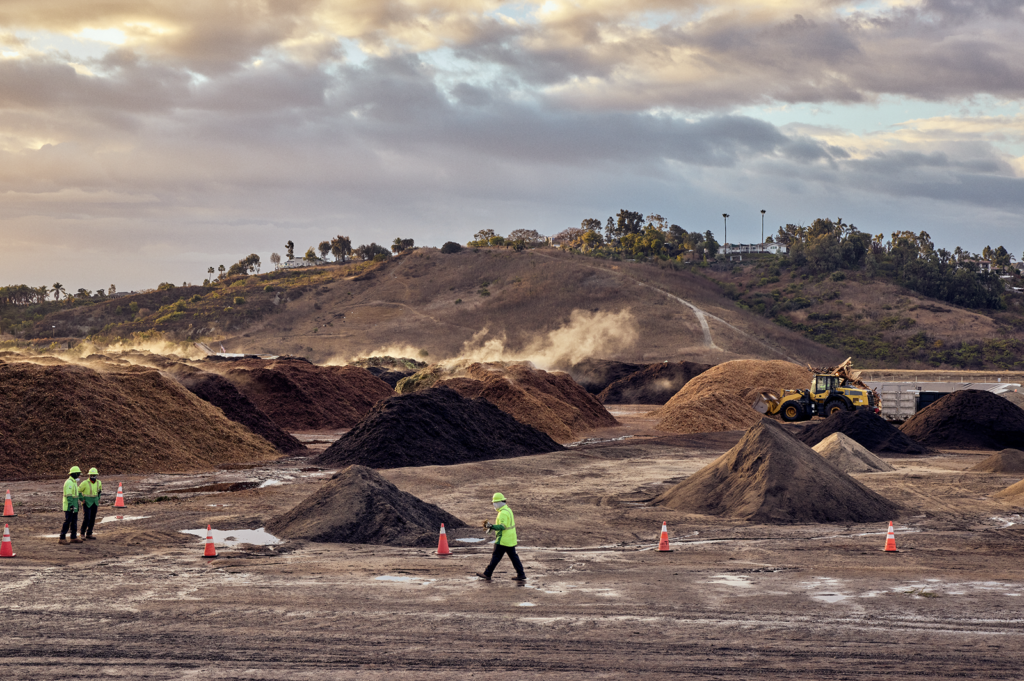
In 2025, we opened two new organics processing facilities, continued to optimize our organics processing capacity at existing facilities and pioneered innovative biosolids solutions.
Through continued improvements in our operations and expanding infrastructure, we recovered 3.8 million tons of organic material in 2025, added 90,000 tons of annual organics processing capacity and provided critical support for major municipal programs including Denver, New York City and cities across California.
Our FOG2Fuel® facilities continue to convert fats, oils and grease from restaurants and food manufacturers into valuable feedstock to produce renewable fuels, with inbound volumes growing 11% year-over-year in 2025.
Next
Circularity – Pioneering Beverage Cup Recycling
News & Press Coverage
The Next Frontier for Autonomous Vehicles Is Burying Your Garbage
Wall Street Journal
Construction begins to turn former Lorton landfill into new public park
FFX Now
Innovative Product Launches Can Go Global With Proper Planning
Investors Business Daily
WM CEO Jim Fish to retire after decade in the role
WasteDive
WM CEO Jim Fish to retire, John Morris named successor
Recycling Today
Waste Management CEO Jim Fish to retire, successor named
Houston Business Journal